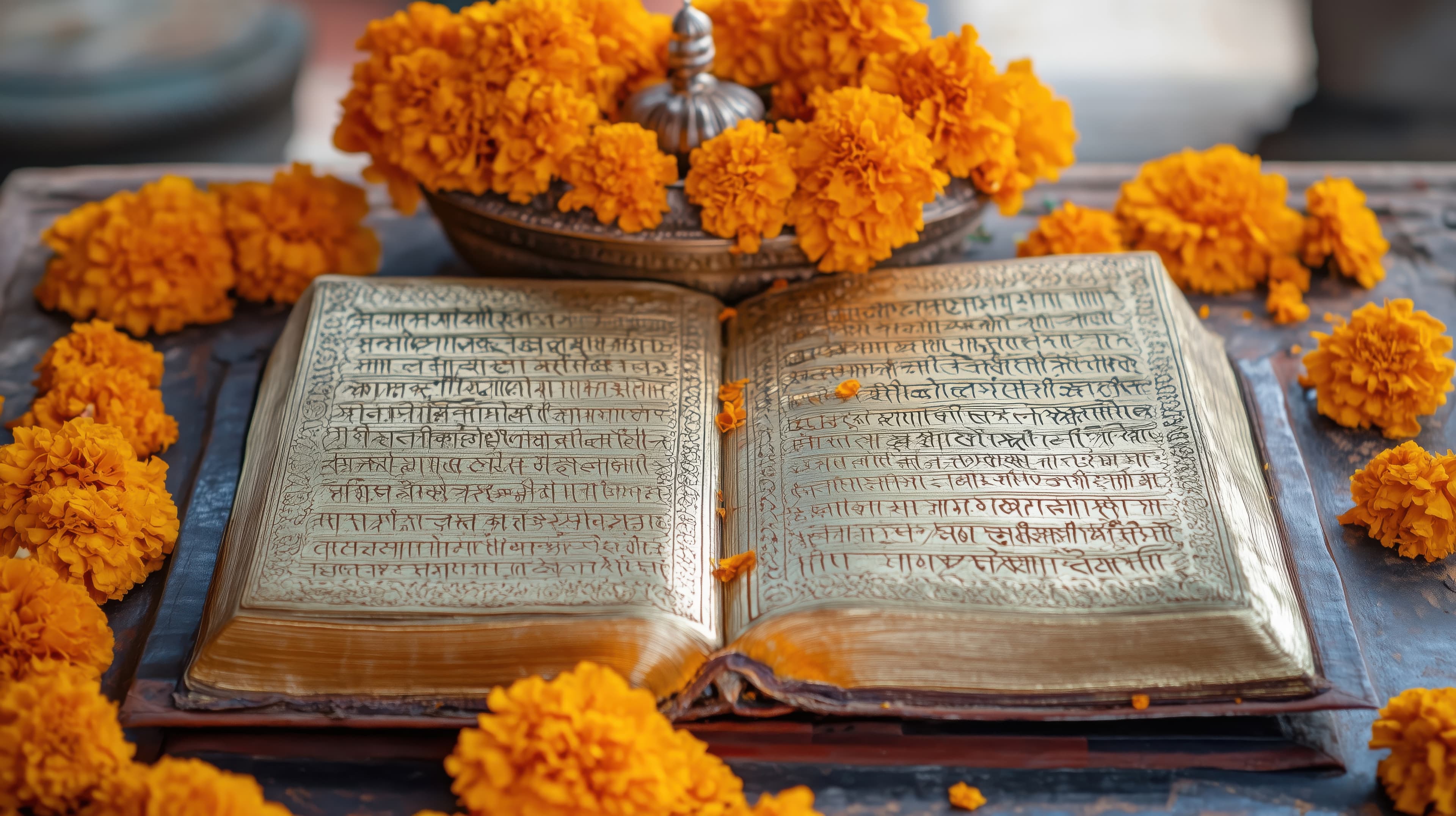
India Culture and Heritage
Explore the rich tapestry of Indian culture, including traditional practices, vibrant festivals, and the profound influence of Hinduism.
Traditional Practices
Family and Social Structure
Family is the bedrock of Indian society. Traditionally, India has cherished extended families, where multiple generations live together under one roof, sharing duties and resources. This setup nurtures a strong sense of unity and support among family members. However, with the march of modernization, nuclear families have become more common, particularly in urban areas.
Arranged Marriages
Arranged marriages are a key component of Indian culture. Families play a pivotal role in finding suitable partners for their children, considering factors such as caste, horoscope compatibility, and social standing. While love marriages are on the rise, arranged marriages still hold strong, underscoring the importance of family involvement in personal choices.
Cuisine
Indian cuisine is as varied as its culture. Each region takes pride in its unique flavors and culinary traditions. From the fiery curries of the south to the rich, creamy dishes of the north, Indian food is a celebration of spices and diverse ingredients. Meals are often enjoyed communally, reflecting the significance of sharing and togetherness.
Festivals
India is a land of festivals, each one echoing the country's cultural and religious diversity. These celebrations are much more than mere events; they are integral to the social and spiritual life of Indian communities.
Diwali
Diwali, the Festival of Lights, is one of India's most celebrated festivals. The victory of radiance over shadow, where virtue prevails and dispels the forces of malice. Homes are beautifully adorned with oil lamps, and the night sky is lit up with fireworks. Families gather to perform rituals, exchange gifts, and savor festive delicacies.
Holi
Holi, the Festival of Colors, marks the arrival of spring with vibrant celebrations. People of all ages take to the streets, playfully throwing colored powders and water at each other. It's a time of joy, forgiveness, and breaking social barriers. Holi also carries religious significance, celebrating the victory of good over evil, as depicted in the story of the demoness Holika.
Navratri and Durga Puja
Navratri, a nine-night festival, honors the goddess Durga and is celebrated with great enthusiasm across India, each region adding its own flavor. In Gujarat, people celebrate with Garba and Dandiya Raas dances, while in West Bengal, Durga Puja is marked by elaborate pandals and artistic idols of the goddess. These festivals highlight India's cultural richness and regional diversity.
Influence of Hinduism
Hinduism, the predominant religion in India, has deeply influenced the country's culture and traditions. Its presence is evident in many aspects of daily life, social customs, and artistic expressions.
Philosophy and Spirituality
Hindu philosophy revolves around key concepts like dharma (duty), karma (actions and their consequences), and moksha (liberation). These principles guide ethical behavior and spiritual growth. The belief in reincarnation and the law of karma instills a sense of responsibility and moral integrity in individuals.
Art and Architecture
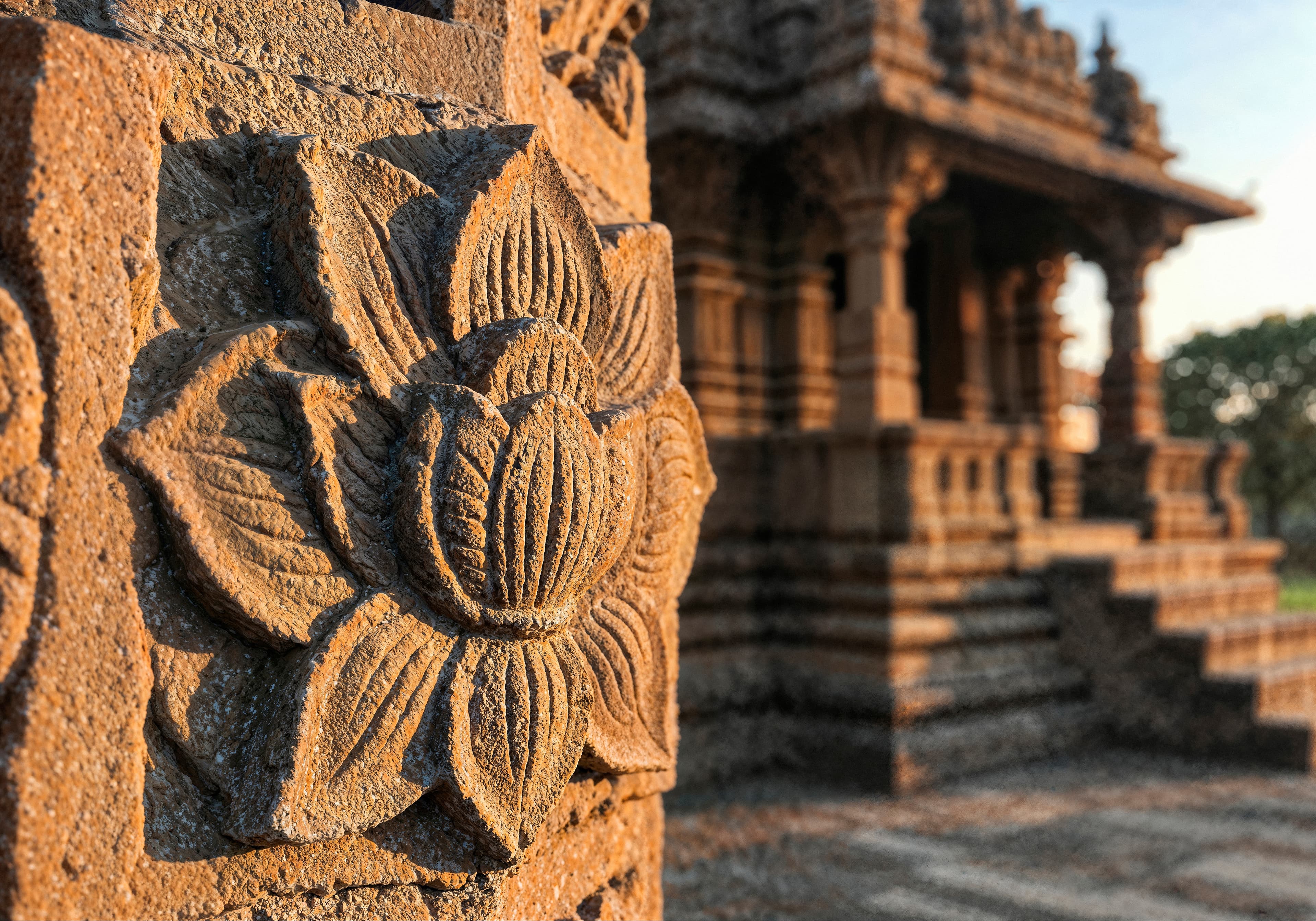
Hinduism has inspired some of India's most iconic art and architecture. Temples, adorned with intricate carvings and sculptures, serve as places of worship and centers of cultural and artistic expression. The temples of Khajuraho, the Brihadeeswarar Temple, and the Sun Temple at Konark are prime examples of India's rich architectural heritage.
Rituals and Practices
Daily rituals and practices in Hinduism, such as prayers, meditation, and offerings to deities, are central to the faith. Festivals, pilgrimages, and rites of passage like weddings and funerals carry deep religious significance. These practices strengthen community bonds and connect individuals to their cultural and spiritual roots.
Conclusion
Indian culture is a dynamic and vibrant blend of traditions, practices, and beliefs. It showcases the country's ability to embrace diversity while maintaining a strong sense of identity. From the close-knit family bonds to the exuberant festivals and the profound influence of Hinduism, Indian culture is a celebration of life in all its facets. Delving into this rich heritage allows us to better appreciate the values and traditions that continue to shape the lives of millions.